
Gum Disease Treatment
Don't let gum disease silently destroy your smile. Early intervention is the key to stopping periodontal disease in its tracks.
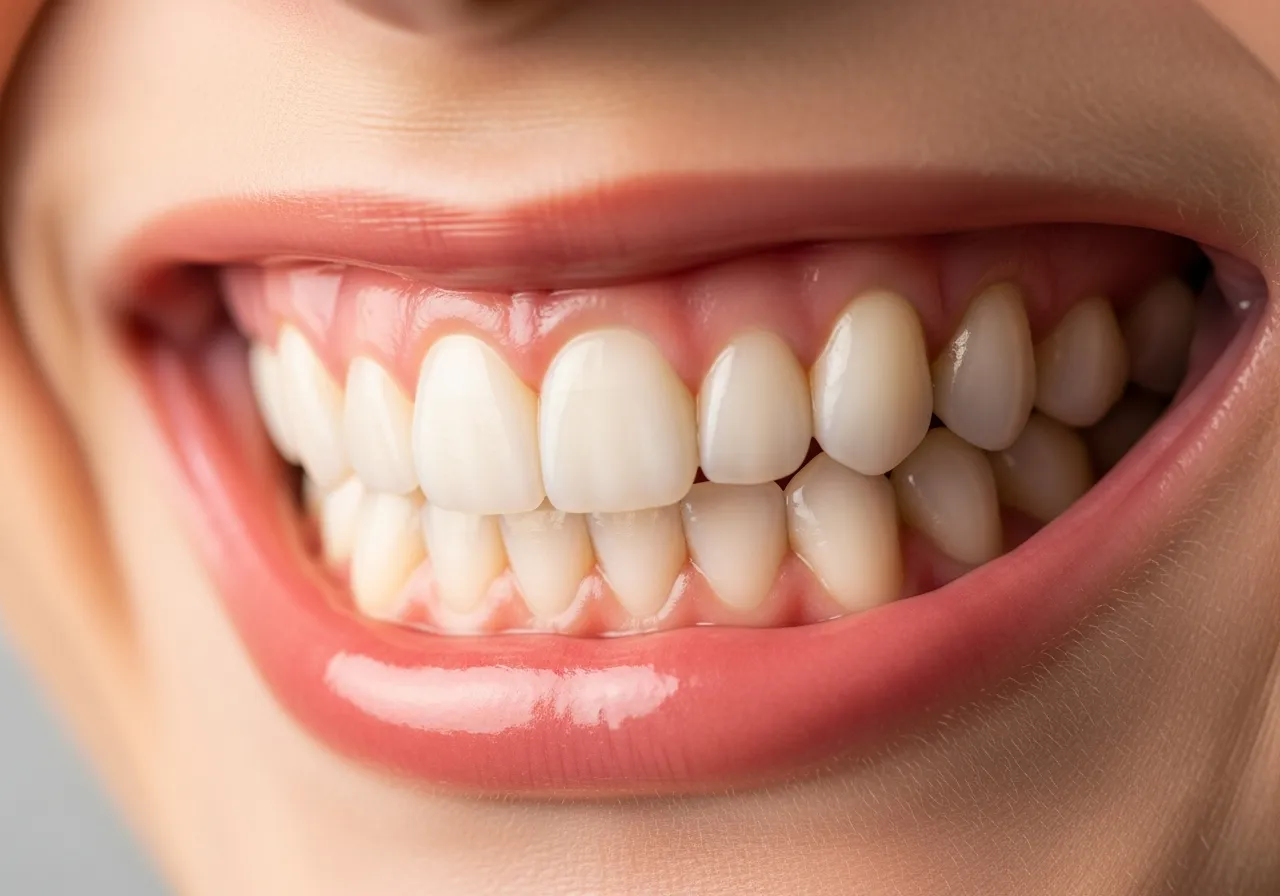
Understanding and Treating Periodontal Disease
Gum disease (periodontal disease) is a bacterial infection of the tissues that surround and support the teeth. It begins as gingivitis — mild inflammation caused by plaque accumulation — and can progress to periodontitis, involving destruction of the bone and tissue that hold your teeth in place. It is the leading cause of tooth loss in adults.
What makes gum disease particularly dangerous is that it's often painless in its early stages. Many patients don't realize they have it until significant damage has occurred. Regular dental checkups are the best way to catch and treat gum disease before it progresses. Signs to watch for include red or swollen gums, bleeding when brushing or flossing, persistent bad breath, gum recession, and loose teeth.
At McKary Family Dentistry, our hygiene team screens for gum disease at every visit. When periodontal disease is identified, we develop a tailored treatment plan designed to stop the infection, restore gum health, and maintain your results with ongoing periodontal maintenance visits.
Why Choose McKary Family Dentistry
Stop Bone and Tissue Loss
Treating gum disease halts the destruction of the bone and tissue supporting your teeth, preventing further tooth loss and the need for more invasive procedures.
Reduce Systemic Health Risks
Periodontal disease is linked to heart disease, diabetes complications, and adverse pregnancy outcomes. Treating it improves your overall health.
Eliminate Persistent Bad Breath
The bacteria responsible for gum disease are a primary cause of chronic bad breath. Treating the infection resolves halitosis effectively.
Customized Periodontal Maintenance
After active treatment, we schedule you for more frequent maintenance visits (typically every 3–4 months) to keep gum disease in check long-term.
What to Expect at Your Visit
Periodontal Assessment
We measure pocket depths around every tooth to classify the stage and severity of gum disease and map areas requiring treatment.
Scaling & Root Planing
A deep cleaning performed under local anesthesia that removes tartar from below the gumline and smooths root surfaces to discourage bacterial reattachment.
Antibiotic Therapy (if needed)
Local antibiotic agents may be placed in persistent pockets to further reduce infection.
Re-Evaluation
4–6 weeks after deep cleaning, we re-evaluate pocket depths to assess healing and determine if additional treatment is needed.
Periodontal Maintenance
Ongoing maintenance cleanings every 3–4 months keep gum disease from returning and monitor the long-term health of your gum tissue.
Frequently Asked Questions
Ready to Schedule Your Appointment?
Experience the difference of compassionate, expert dental care. New patients welcome — same-day appointments available for emergencies.